Demystifying Celebration-Driven Architecture With Gustavo Woltmann
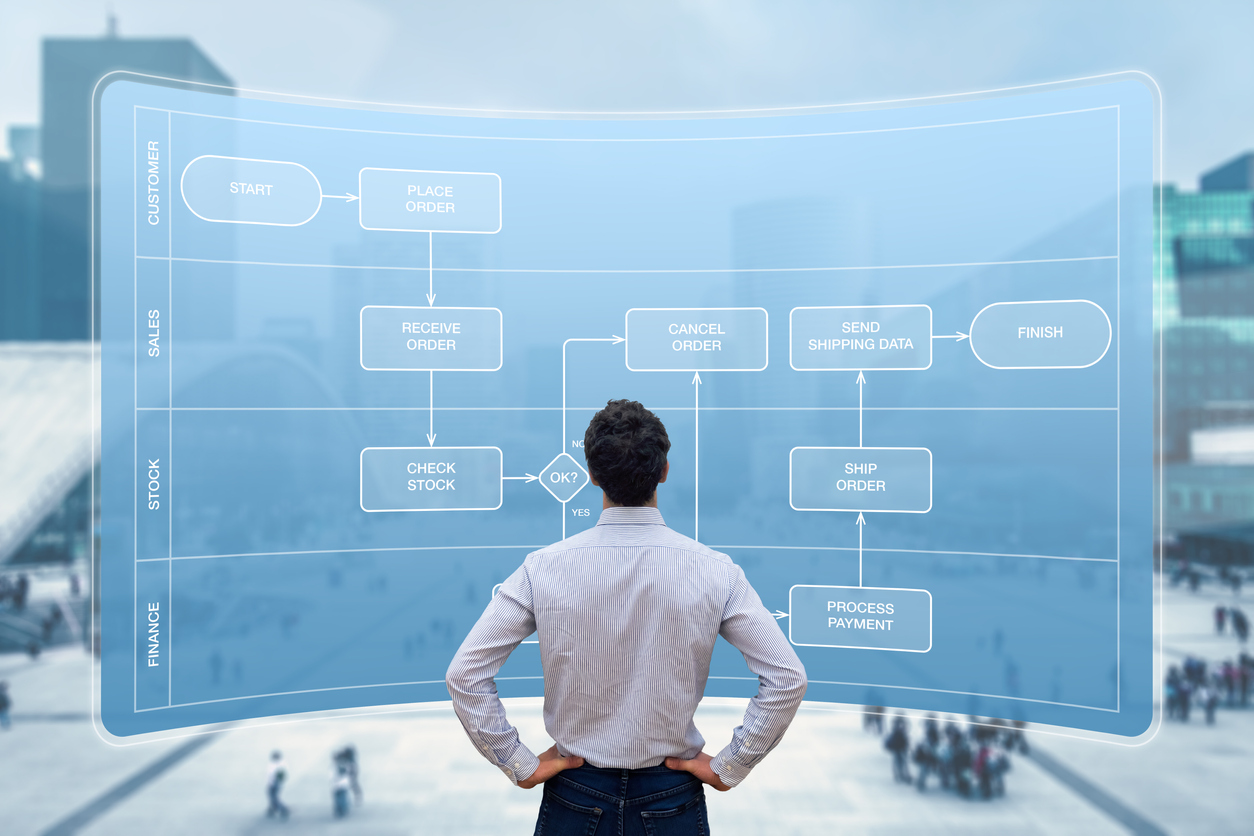
In today’s fast-paced electronic landscape, organizations must course of action info in serious time, scale seamlessly, and provide sleek user activities. Conventional ask for/reaction techniques normally drop small below these calls for. That’s where Function-Pushed Architecture (EDA) comes in—a layout paradigm centered around making, detecting, consuming, and reacting to events.
Precisely what is Party-Driven Architecture?
Function-Pushed Architecture (EDA) is a modern computer software style and design method that organizes programs within the idea of functions. An celebration is any significant modify in condition or incidence inside a technique—like a shopper placing an internet buy, a payment staying approved, or perhaps a sensor recording a temperature spike. As an alternative to expert services instantly requesting information from each other, they communicate by generating and reacting to these functions.
In EDA, 3 core elements perform jointly: celebration producers, celebration brokers, and celebration individuals. Producers deliver events whenever some thing meaningful happens. These events are despatched to an party broker (which include Apache Kafka, RabbitMQ, or AWS EventBridge), which functions given that the central hub for distributing them. Individuals then subscribe to and course of action the gatherings suitable to them. One example is, when an buy is positioned, a single support may deal with payment, A different could update inventory, and a third might mail the affirmation e mail—all induced immediately by the same party.
The crucial element benefit of this strategy is decoupling. Producers don’t require to grasp which expert services will eat their occasions, and consumers is often additional or eliminated without the need of disrupting current processes. This adaptability allows systems to scale extra simply, integrate new features more quickly, and respond in true time.
EDA is especially handy in modern day use cases like e-commerce, money transactions, World wide web of Matters (IoT) programs, and microservices architectures where asynchronous conversation and responsiveness are crucial. On the other hand, In addition, it introduces new complexities, such as controlling event purchasing, handling duplicates, and guaranteeing eventual regularity.
In essence, Occasion-Pushed Architecture shifts the focus from asking for details to reacting to alter. It permits companies to develop software that is certainly extra agile, scalable, and aligned With all the dynamic, serious-time nature of nowadays’s electronic globe.
When to work with Party-Driven Architecture
Function-Pushed Architecture (EDA) is not a a single-dimensions-suits-all Answer, nonetheless it excels in cases exactly where responsiveness, scalability, and suppleness are necessary. Knowing when to adopt this design and style tactic may also help organizations increase its strengths even though averting avoidable complexity.
Among the best use circumstances for EDA is in true-time apps. Units that require instant responses—like fraud detection in banking, Reside notifications on social networking, or IoT units monitoring sensors—reward drastically from EDA’s capacity to respond The instant an celebration takes place. In lieu of looking ahead to scheduled checks or handbook triggers, situations straight away travel steps.
EDA also thrives in remarkably scalable environments. For the reason that party producers and individuals are decoupled, Each individual ingredient can scale independently. This can make it notably worthwhile for e-commerce platforms, streaming companies, and trip-hailing apps, where demand can spike unpredictably. Units can tackle unexpected surges without having bottlenecks, as shoppers may be scaled up to meet the load.
A further solid use scenario is sophisticated workflows across various devices. By way of example, in provide chain administration, an buy function can set off stock checks, delivery updates, and client notifications—all coordinated asynchronously without a one level of failure.
EDA can also be a natural healthy for microservices architectures. Microservices gain from loose coupling, and EDA presents a means for them to communicate successfully without having creating restricted dependencies. This results in more agile, resilient, and maintainable programs.
Nevertheless, EDA is not really excellent for every predicament. For applications demanding strict, read more synchronous regularity—like some monetary accounting devices—a request/reaction model could possibly be simpler plus much more dependable.
In summary, Celebration-Driven Architecture is ideal used when programs need to react promptly, scale dynamically, and deal with dispersed procedures seamlessly. It transforms programs from staying passive data pollers into agile programs that adapt right away to change.
Why Use Celebration-Pushed Architecture?
Occasion-Pushed Architecture (EDA) features substantial rewards for corporations aiming to construct programs which have been agile, scalable, and responsive to adjust. Compared with conventional request/response styles, EDA allows programs to react quickly to situations, making it nicely-suited to nowadays’s dynamic electronic environments.
Amongst the primary causes to work with EDA is overall flexibility. Producers of situations don’t need to learn who consumes them. This decoupling implies that companies can evolve independently. One example is, for those who increase a new services to deliver drive notifications when an order is placed, it could merely subscribe to the existing order occasion with out altering the producer or other customers. This tends to make EDA ideal for systems that need to adapt and expand quickly.
Another key profit is scalability. Considering the fact that factors are loosely coupled, Just about every can scale By itself depending on need. High-traffic products and services, like payment processing in e-commerce, can tackle spikes independently devoid of impacting unrelated programs including inventory or analytics.
EDA also boosts resilience. If a client support is temporarily down, the party broker makes sure that the occasion is stored and shipped once the service recovers. This cuts down the chance of info decline and lets techniques to maintain operation even if some parts are unsuccessful.
Furthermore, EDA increases effectiveness and efficiency. Units don’t waste resources polling for updates. As a substitute, they act only when an occasion takes place. This function-pushed responsiveness generates faster, smoother consumer experiences, from fast notifications to genuine-time analytics dashboards.
At last, EDA supports *uture-proofing. As businesses undertake new technologies or business enterprise needs arise, they can easily insert new customers devoid of disrupting existing procedures.
In short, employing EDA permits organizations to make methods that happen to be much more adaptable, scalable, and aligned with true-time anticipations—vital strengths in a entire world where by agility frequently defines results.
Considerations Ahead of Adopting EDA
Though Event-Driven Architecture (EDA) delivers adaptability, scalability, and resilience, It isn't with no worries. Before adopting it, companies need to diligently weigh the trade-offs and determine regardless of whether the advantages align with their desires and technological maturity.
A major consideration is complexity in style and operations. Not like ask for/reaction devices, EDA depends on asynchronous interaction, that may make workflows harder to trace. Debugging gets to be much more sophisticated, considering that determining the basis reason behind a concern typically calls for tracing gatherings throughout a number of companies and celebration streams. Teams need to put money into robust monitoring and logging tools to take care of visibility.
A further variable is party purchasing and duplication. In distributed techniques, activities may not always get there from the buy they have been made, or they may be shipped more than at the time. Builders must design and style idempotent customers (equipped to take care of replicate occasions without faults) and account for probable delays or inconsistencies.
EDA also introduces the principle of eventual consistency. Although this is suitable in many use conditions, it could be problematic in methods that require rigorous, quick accuracy, for instance specific monetary accounting or compliance-pushed programs. Corporations have to Assess whether their small business processes can tolerate slight delays in facts synchronization.
Skill prerequisites current another problem. Designing, deploying, and retaining EDA techniques necessitates specialized awareness in function brokers, messaging styles, and distributed devices. Teams might require extra teaching or new hires, which raises expenditures.
Lastly, There may be the issue of infrastructure overhead. Function brokers and messaging platforms increase Yet another layer to control. While cloud companies give managed providers like AWS EventBridge or Google Pub/Sub, counting on them may boost expenditures and create vendor lock-in.
In summary, EDA is highly effective although not universally applicable. Firms should really think about complexity, consistency desires, infrastructure, and team knowledge in advance of adoption. With the ideal preparation, EDA can provide enormous price—without the need of turning into an needless load.
Summary
Party-Pushed Architecture is greater than a buzzword—it’s a useful Resolution for making scalable, responsive, and resilient units within an increasingly genuine-time planet. By comprehension when and why to implement it, enterprises can harness its strengths while staying away from pointless complexity. For several present day programs, EDA isn’t just a choice—it’s getting to be the common.